
Woven vs non-woven geotextile fabric: which one to choose
Woven vs non-woven geotextile fabric solve opposite problems: woven reinforces and separates, non-woven filters and drains.
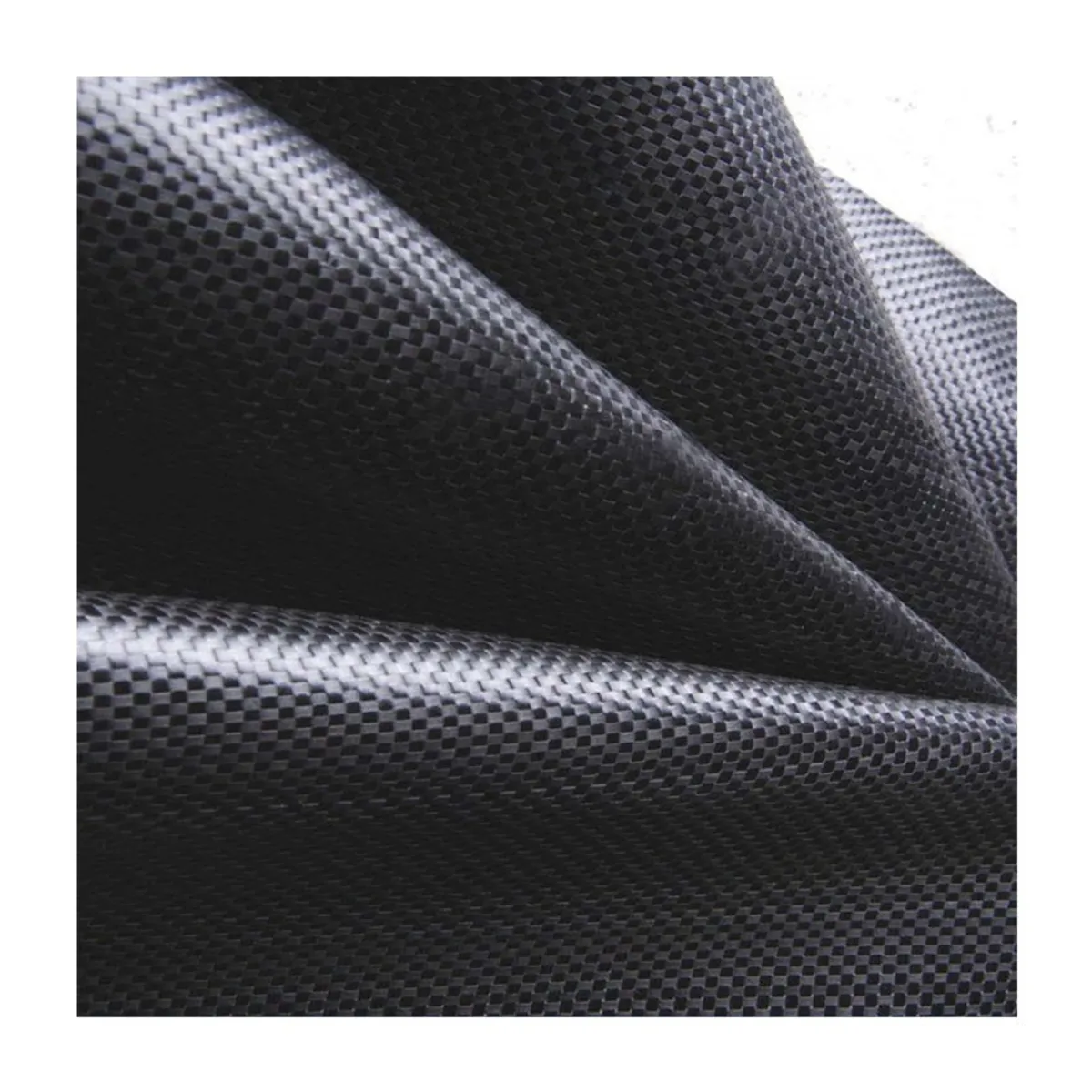
The basic difference
A woven geotextile is flat or round PP/PET tapes woven into a tight grid — strong in tension, used mainly for reinforcement and separation on weak subgrades, haul roads and embankments. A non-woven geotextile is continuous fibres needle-punched into a felt-like sheet; its open pore structure makes it the fabric for filtration, drainage and cushioning. They are not two grades of one product — they do opposite jobs, which is why people who treat them as interchangeable get failures.
Strength vs permeability
Woven fabric carries high tensile strength at low stretch, so it spreads loads and stabilises soft ground — but water crawls through it. Non-woven lets water pour through while holding back fines, which is why it goes under HDPE geomembranes and wraps around drains. The rule is blunt: if the job is to carry load, woven; if the job is to filter and drain, non-woven.
Geotextile types and classes
There are really only two types of geotextile by construction — woven and non-woven — but specs layer survivability classes on top, and the labels trip people up. AASHTO/road specs grade geotextiles as Class 1, 2 or 3 by survivability (Class 1 toughest); a Class 2 geotextile is the common middle grade for routine separation and stabilisation. Some agency specs add Type 1–5 designations, and a few (PennDOT, for instance) call out a Class 4 Type A geotextile or a Class C grade for a specific drainage or filtration duty. Those classes set minimum strength and puncture values — they don't tell you woven or non-woven on their own. Read the class for the survivability requirement, then pick the construction (woven vs non-woven) that does the actual function.
Typical applications
Use woven geotextile for haul roads, parking yards, embankments on soft soil and basal reinforcement. Use non-woven geotextile for subsurface and French drains, filter layers behind retaining walls, geomembrane protection cushions and erosion control. Plenty of jobs use both — woven for strength below, non-woven as the separating/filter layer.
How to spec it
Match the grade to the design load. For woven, the number that matters is tensile strength (12 kN/m, 25 kN/m). For non-woven, it's GSM and pore size, plus the survivability class. Send the application and we will recommend a grade and supply matched rolls.
Free Geosynthetics Spec & Selection Guide
Material grades, thickness/GSM sizing and price ranges for your project — sent to your inbox.
Frequently asked questions
Is woven or non-woven geotextile stronger?
Woven has higher tensile strength and is used for reinforcement; non-woven is weaker in tension but far better at filtration and drainage. They are not interchangeable — choose by function.
Can I use non-woven geotextile under a geomembrane?
Yes. A non-woven geotextile cushion protects the geomembrane from subgrade stones and is the standard protection layer under HDPE liners.
What is the difference between woven and nonwoven geotextile?
Woven geotextile is tapes woven into a tight grid — high tensile strength for reinforcement and separation, but low flow-through. Nonwoven geotextile is felted fibres with an open pore structure — lower tensile strength but far better filtration, drainage and puncture protection. Choose by the function, not by which is 'stronger'.
Which geotextile is best for a French drain?
Non-woven. A French drain needs the fabric to filter and let water pass while holding back fines, which is the non-woven job; woven would clog. Match the GSM and pore size to the surrounding soil.
Related product
View Nonwoven GeotextileNeed a quote or a spec check?
Tell us your application and quantity — our English-speaking team replies within one business day.