
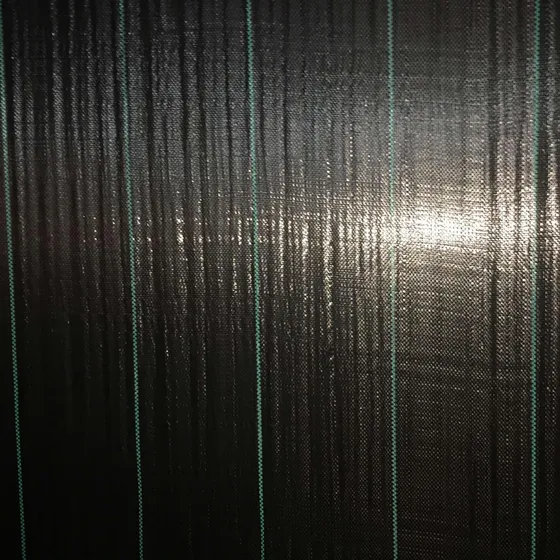
 Geotextile
 Woven Geotextile
High-strength woven geotextile fabric (PP / PET high-tenacity yarn) to AASHTO M288 — for separation, stabilization and reinforcement on roads.
- AASHTO M288
- Class 1 / 2 / 3
- PP / PET · Woven
SIGMA nonwoven geotextile fabric is a needle-punched, staple-fiber polyester (PET) / polypropylene (PP) sheet for filtration, separation, drainage and protection. Produced by opening, carding, web-laying and needle-punching, this nonwoven geotextile has high elongation (≥50%) so it conforms to uneven subgrades, with high permittivity for in-plane and cross-plane drainage. Built to AASHTO M288 and classified by survivability (Class 1–3), it is the non woven geotextile fabric of choice for French drains, drainage blankets, landscape fabric and cushion / protection layers — shipped direct from our factory in commercial weights from 100 to 800 g/m².
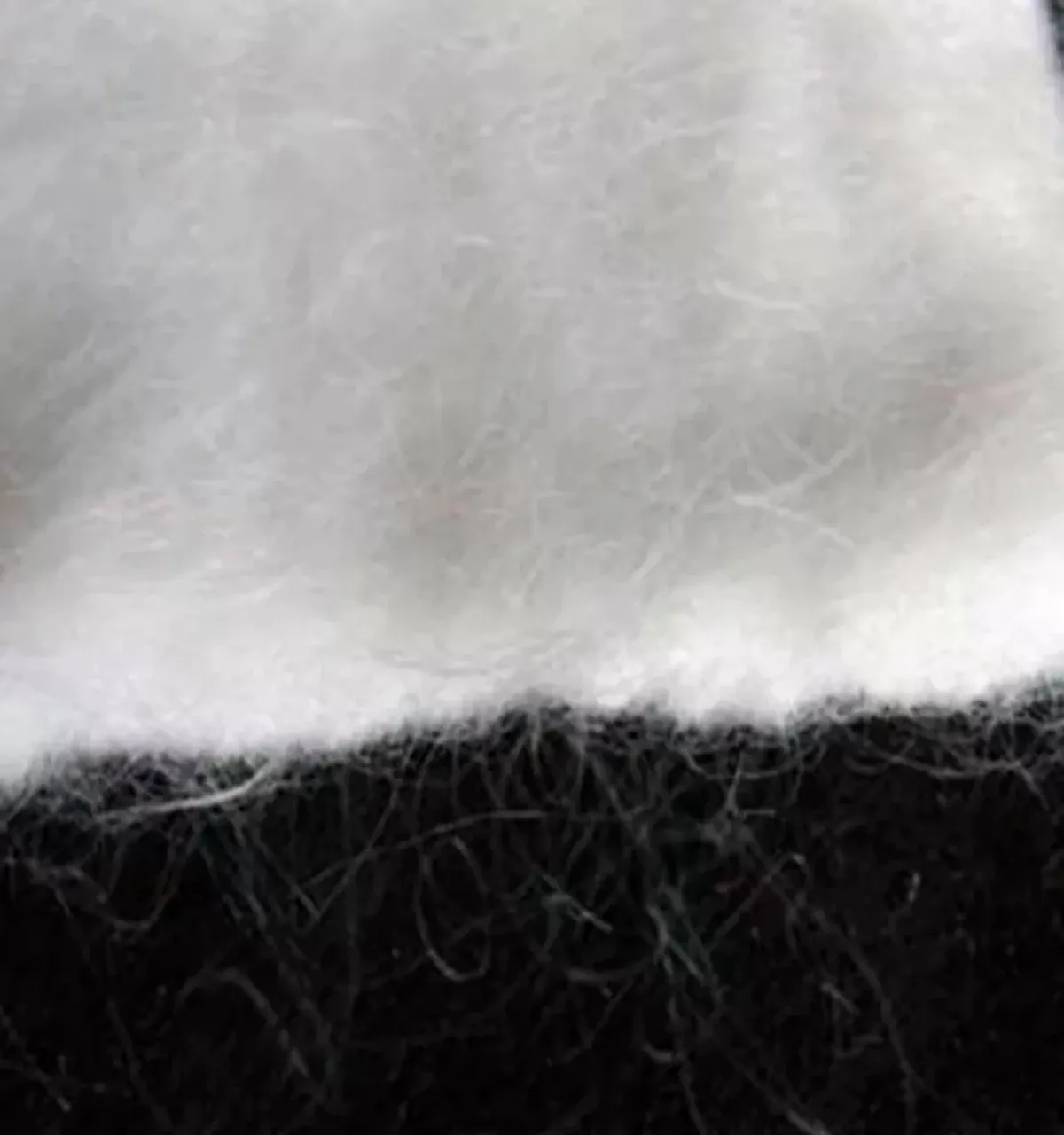
SIGMA nonwoven geotextile is a staple-fiber polyester / polypropylene fabric produced by opening, carding, web-laying and needle-punching the fibers into a thick, felt-like sheet. This non woven geotextile fabric is built to the AASHTO M288 standard and graded by installation survivability — Class 1 (most severe), Class 2 (default) and Class 3. Buyers often search for it as non woven needle punched geotextile, non woven fabric geotextile or non woven fabric landscape underlayment. With high elongation (≥50%), the nonwoven geotextile membrane stretches and conforms to uneven and irregular bases without tearing, while staying anti-aging, chemical-resistant and UV-stable.
The needle-punched structure gives the nonwoven drainage fabric high permittivity, so it filters water while holding back soil fines — ideal as the wrap around a French drain, in subsurface drainage blankets, and as a non woven geotextile fabric for French drain and edge-drain applications, or simply as a non woven filter cloth in silt fences and drainage trenches. Its thickness also makes it an excellent cushion / protection layer above and below geomembrane liners, and the same fabric works as a geotextile underlayment beneath pond liners — see our pond liner underlayment guide for details. As a non woven landscape fabric it separates soil from aggregate under pavers and paths while letting moisture and air through; in flower beds and gravel paths it doubles as a geotextile weed membrane that still lets water and air reach the soil.
Production starts by opening and carding staple fibers into a soft web, laying the web to the target weight, and then needle-punching it — thousands of barbed needles repeatedly drive fibers through the web to mechanically lock them into a thick, felt-like sheet. This needle-punched structure is what gives the non woven geotextile fabric its high permittivity and its high elongation, so the fabric drains freely and stretches to accommodate irregular deformations without tearing. Made from virgin PET / PP staple fiber, the nonwoven drainage fabric is anti-aging, resists acid, alkali and abrasion, and has low creep.
For filtration, AASHTO M288 sets the required permittivity and apparent opening size (AOS) from the in-situ soil gradation — finer soils need a tighter AOS and lower permittivity. Strength still follows the survivability class, and commercial weights from 100 g/m² (Class 3) up to 800 g/m² (Class 1) map onto those classes; buyers also shop by ounce, with 4 oz, 6 oz and 8 oz non woven geotextile fabric the common grades. Commercial grades run from non woven geotextile fabric 4oz up through heavier weights, with geotextile fabric 150gsm and geotextile fabric 8 oz among the most requested. Where the job is load-spreading and reinforcement rather than filtration — for example a stiff base under a driveway — a low-elongation woven geotextile is the better fabric. Tell us the soil and function and we will size the nonwoven geotextile fabric for you.
For a French drain, line the trench with the non woven geotextile fabric, place the perforated pipe and drainage stone, then fold the fabric over the top and overlap it so silt cannot enter — the high permittivity lets water in while the fabric filters out fines and prevents clogging. Under pavers, paths and roads, roll the non woven geotextile for drainage and separation directly on the prepared subgrade and overlap adjacent panels by roughly 300 mm before adding aggregate. As a non woven landscape fabric it suppresses weeds yet lets moisture and air reach the soil. Where it protects a liner, lay it as a continuous cushion above and below the geomembrane.
As the geotextile manufacturer we control fiber selection, web-laying and needle-punching, so every roll of nonwoven geotextile fabric is UV-stabilized and tested to AASHTO M288 minimum average roll values. We stock the full commercial range from 100 to 800 g/m² in black and white and ship direct from our factory. For a quote, send us the weight (gsm or oz) or class, total area in square metres and destination port and we will quote ex-works the same business day.
Needle-Punched Nonwoven Geotextile (PET / PP) — AASHTO M288 minimum average roll values (MARV), elongation ≥50%.
| Property | Test Method | Unit | Class 1 | Class 2 (default) | Class 3 |
|---|---|---|---|---|---|
| Grab strength (min.) | ASTM D4632 | N | 900 | 700 | 500 |
| Sewn seam strength (min.) | ASTM D4632 | N | 810 | 630 | 450 |
| Trapezoid tear strength (min.) | ASTM D4533 | N | 350 | 250 | 180 |
| CBR puncture strength (min.) | ASTM D6241 | N | 1925 | 1375 | 990 |
Our needle-punched nonwoven geotextile fabric is manufactured to AASHTO M288, the standard specification for geosynthetics. AASHTO M288 grades the fabric by installation survivability — Class 1 (most severe), Class 2 (default) and Class 3 — with minimum average roll values for grab, sewn seam, trapezoid tear and CBR puncture strength, plus permittivity and AOS requirements set by the soil gradation.
Yes — a needle-punched nonwoven geotextile is the preferred non woven geotextile fabric for a French drain. Its high permittivity lets water pass into the drain while the fabric filters out soil fines and prevents clogging. The required permittivity and apparent opening size are selected from the surrounding soil gradation per AASHTO M288.
Class 2 is the default; step up to Class 1 for severe placement and down to Class 3 for mild conditions. Commercial weights from 100–150 g/m² (Class 3) through 200–300 g/m² (Class 2) to 400–800 g/m² (Class 1) map onto these classes — but AASHTO M288 governs by survivability class, not by mass. Tell us the soil, function and site severity and we will recommend a grade.
A woven geotextile has low elongation and high tensile strength, so it is used for separation, stabilization and reinforcement under roads and driveways. A nonwoven geotextile is needle-punched with high elongation and high permittivity, so it excels at filtration, drainage and protection — for example around French drains and as a cushion over geomembrane liners. Unlike natural-fibre non woven coir geotextiles, our PET/PP nonwoven does not biodegrade, so it holds its strength for the life of the project.
Non woven geotextile price depends mainly on the weight (gsm) / survivability class, roll width and order volume. As a manufacturer we quote ex-works per square metre or per roll; send us the weight or class, total area and destination port and we will return a nonwoven geotextile price the same business day.
Buyers commonly choose 4 oz, 6 oz or 8 oz non woven geotextile fabric. For a typical French drain a 4–6 oz (roughly 130–200 gsm) needle-punched fabric balances flow and filtration; for separation under pavers or roads where there is more abuse, step up to 8 oz or heavier. The exact permittivity and AOS still come from the soil gradation per AASHTO M288 — send us the soil and application and we will confirm the right weight.
Yes. A lighter needle-punched nonwoven geotextile makes an effective non woven landscape fabric: it separates soil from aggregate under paths and beds and suppresses weeds while still letting water and air pass to the soil. For heavy-duty separation and drainage under pavers or driveways, use a heavier weight; tell us the use and we will recommend a grade.
Roll width and length are order-specific and are not governed by AASHTO M288 — contact us for current stock sizes. As the manufacturer we ship full containers of nonwoven geotextile fabric worldwide and can advise minimum order quantity and lead time once we know the weight (gsm or oz) or class, total square metres and destination port. Quotes are returned the same business day.
Tell us quantity, destination port, and any questions — we reply within one business day.
Geotextile High-strength woven geotextile fabric (PP / PET high-tenacity yarn) to AASHTO M288 — for separation, stabilization and reinforcement on roads.
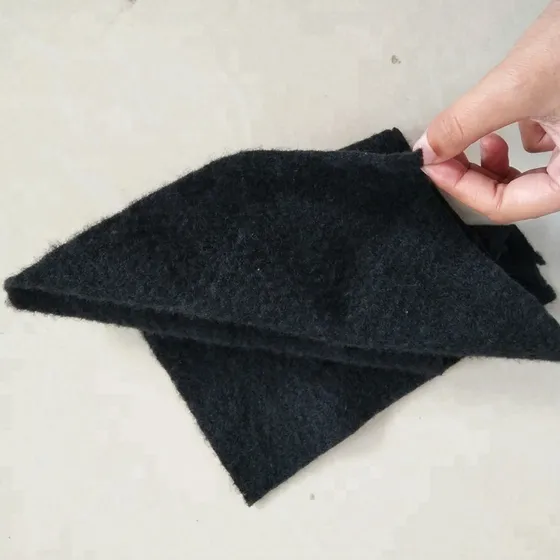 Geotextile
 Polypropylene (PP) geotextile to AASHTO M288 — needle-punched PP nonwoven for filtration, separation, drainage and protection, plus woven PP grades.
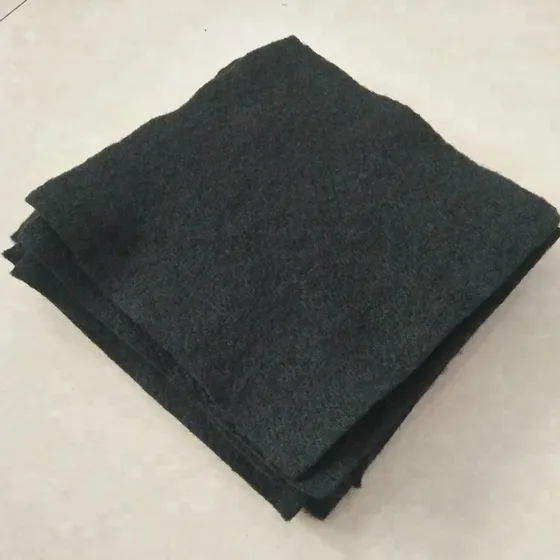 Geotextile
 PET needle-punched nonwoven geotextile to AASHTO M288 — staple-fiber polyester fabric for filtration, separation, drainage and protection on subgrades.