
Soft soil treatment with wick drains (PVD): how it works
Wick drains (PVD) cut soft-clay settlement that would take years down to months.
The problem PVD solves
Build an embankment on soft saturated clay and it keeps sinking for years after the road opens — pore water leaves the clay that slowly. Soft soil treatment with wick drains attacks the one variable you can change: the drainage path. Prefabricated vertical drains (PVD, wick drains) give pore water a short sideways route to the nearest drain instead of a long vertical crawl to the surface, so most of the settlement happens while you are still placing fill, not after handover. It is the default method for highways, ports and reclamation on deep soft clay.
What a wick drain actually is
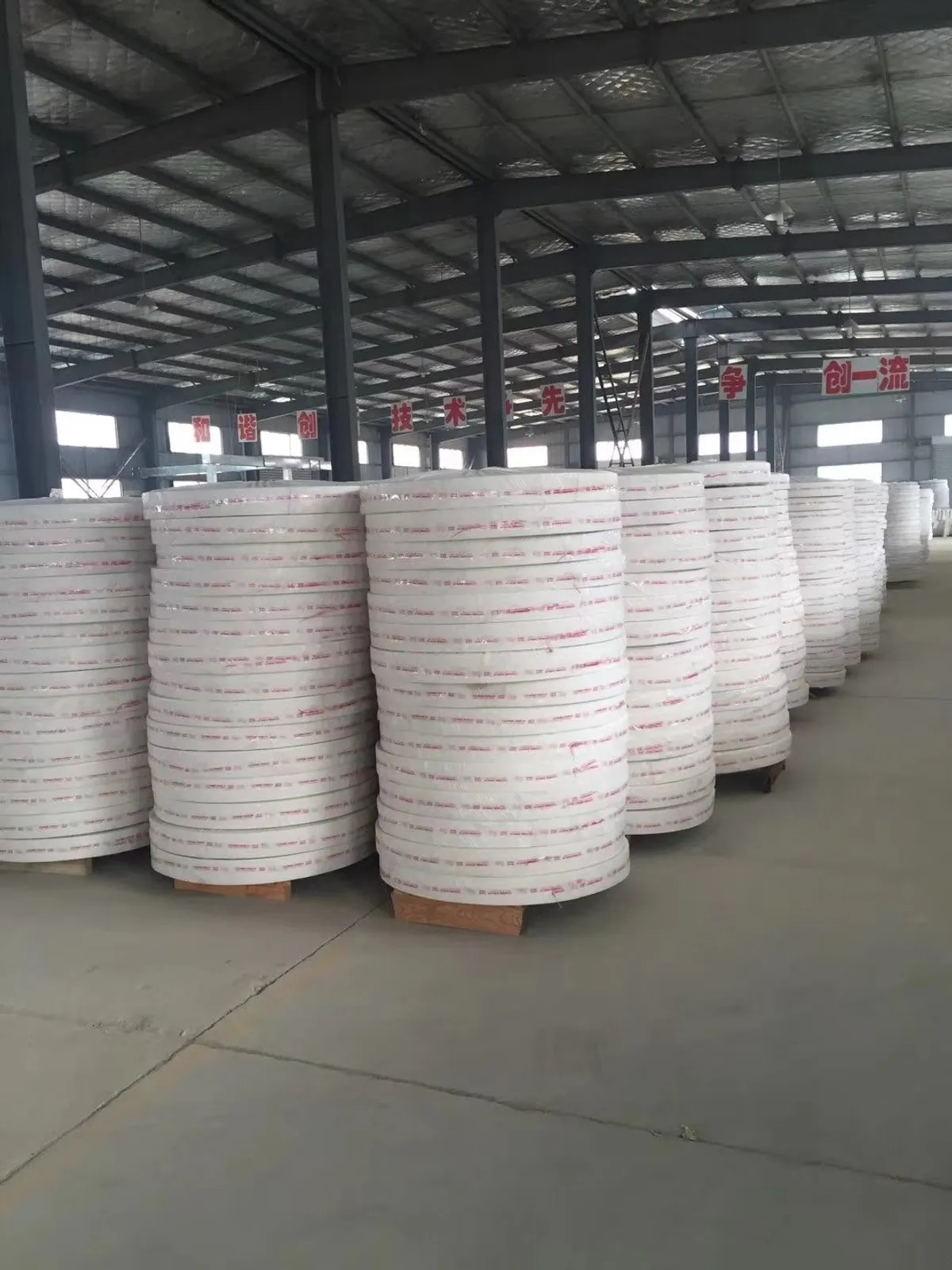
A PVD is a thin plastic core — a few millimetres thick, with internal channels — wrapped in a non-woven geotextile filter sleeve that lets water in but keeps the clay out. Driven into the ground on a close grid, usually 1.0–1.5 m, it shortens the horizontal drainage distance to a fraction of the clay-layer thickness. Put a surcharge on top and water leaves fast: consolidation that would naturally need three to five years lands in a few months, and the residual settlement after construction drops inside tolerance.
Installation sequence on site
1) Lay a sand or geotextile drainage blanket so water expelled at the surface has somewhere to go. 2) A stitcher rig pushes a hollow steel mandrel carrying the drain down to the firm stratum, then pulls back, leaving the drain anchored. 3) Cut above the blanket, shift to the next grid point, repeat — a rig does hundreds of drains a shift. 4) Build the surcharge embankment and watch it with settlement plates and piezometers until the target degree of consolidation is reached.
The numbers the design fixes
Four parameters come straight off the consolidation analysis: drain spacing and pattern (triangular packs them tighter than square), installation depth to the firm layer, surcharge height, and preload duration. Get spacing wrong and you either waste drains or miss the schedule. A non-woven geotextile separation layer under the sand blanket keeps the drainage course from silting into the soft subsoil.
Source the drains and the blanket together
Send the treatment depth, drain spacing and project area and we will supply prefabricated vertical drains in matched rolls with the geotextile drainage layer, so you are not chasing two suppliers for one platform.
Free Geosynthetics Spec & Selection Guide
Material grades, thickness/GSM sizing and price ranges for your project — sent to your inbox.
Frequently asked questions
How deep are wick drains installed?
To the bottom of the soft compressible layer — commonly 10–25 m, set from the soil profile and consolidation analysis for the site.
How much does PVD shorten settlement time?
Turning a long vertical drainage path into a short horizontal one typically pulls several years of natural settlement into a few months under preload.
Related product
View Wick Drain (PVD)Need a quote or a spec check?
Tell us your application and quantity — our English-speaking team replies within one business day.