
Geotextile price guide: what really sets the fabric cost
Geotextile fabric price tracks two things: GSM (weight) and strength class (kN/m or TS).
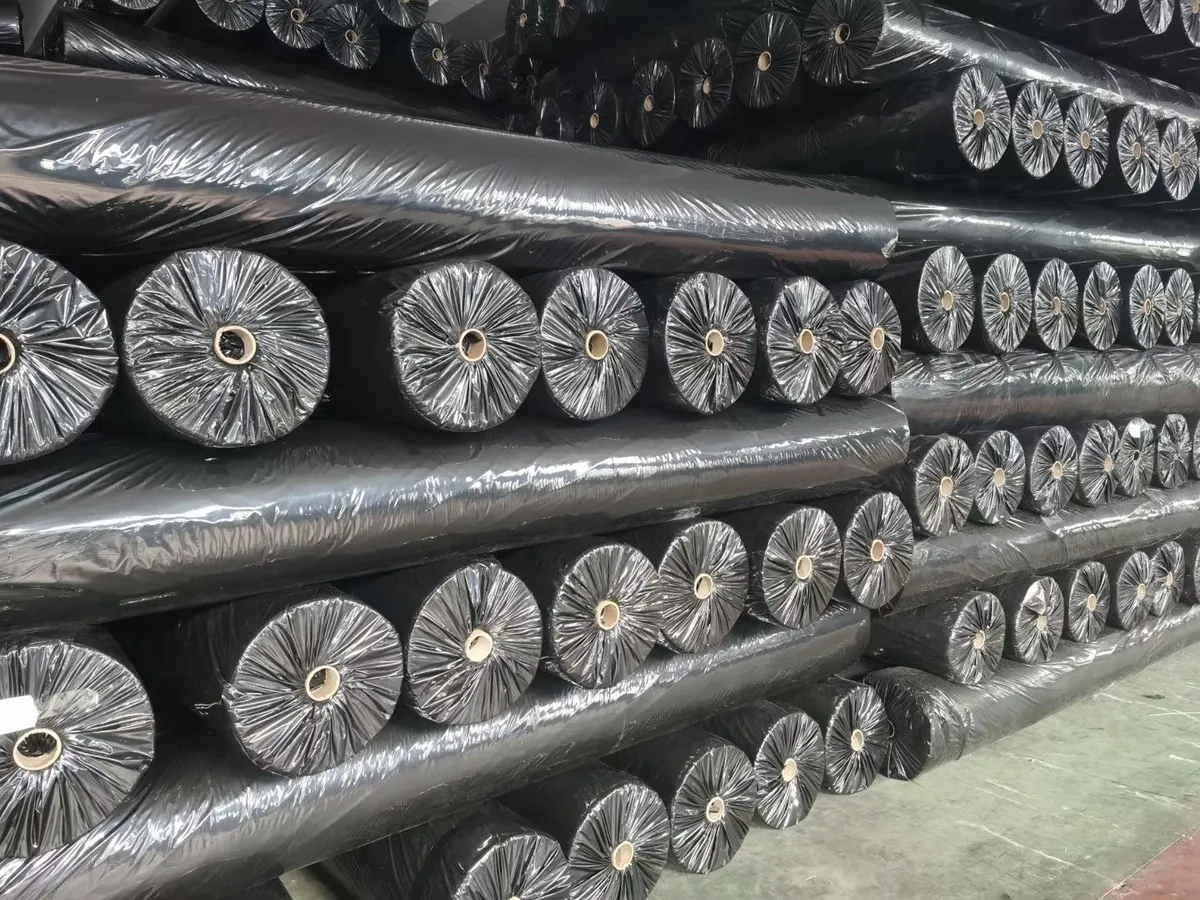
Two numbers move the price, the rest is noise
A geotextile price means nothing until you fix the grade. Two figures do most of the work: the GSM (mass per unit area, g/m²) and the strength class — kN/m for woven, or a TS / ART grade for non-woven. Heavier GSM and a higher class both use more polymer and cost more. When someone quotes a bare geotextile fabric price with no GSM and no class attached, they are quoting air; you cannot compare it to anything.
Price by grade — what to expect
Non-woven geotextile is sold by GSM and a strength class (TS20–TS65, or an ART number); a 150 GSM fabric and a 400 GSM fabric are different products at different prices, not a discount on the same thing. Woven geotextile is sold by tensile strength in kN/m — 12 kN/m, 25 kN/m and up — and the per-m² price climbs with the class. In the Indian market most enquiries come as 'geotextile 200' style shorthand (200 GSM); always pin the GSM and class so every supplier prices the identical fabric.
Woven vs non-woven on price
Woven geotextile gives you the most tensile strength per gram, so it is the cheaper answer when reinforcement and separation are the whole job. Non-woven geotextile costs more per kN of tension but buys you filtration, drainage and puncture protection that woven simply doesn't have. Pick by function first; only then does comparing prices within that type make sense.
Reading a quotation so it's comparable
A quote you can actually compare states: fibre and construction (woven PP/PET, or needle-punched non-woven), GSM, the strength class (kN/m or TS/ART), roll width and length, and whether the price is per m² or per roll. Watch the unit too — a geotextile fabric cost quoted per square yard or per square foot looks far cheaper than the same fabric per square metre, so convert everything to one unit before you compare. Miss any one of those and the cheaper number is probably just a lighter fabric.
Get a graded quotation
Send the application and the GSM/class you need (or the project spec) and we will quote matched woven or non-woven geotextile per m² with roll sizes and lead time — the same grade your spec calls, so the price is real.
Free Geosynthetics Spec & Selection Guide
Material grades, thickness/GSM sizing and price ranges for your project — sent to your inbox.
Frequently asked questions
Why do two geotextile quotes differ so much?
Almost always because they are different grades — a lighter GSM or a lower strength class costs less but is not the same fabric. Compare only at the same g/m² and the same kN/m or TS/ART class.
What does '200 GSM geotextile' mean for price?
200 GSM is the fabric weight (200 g/m²). It sets a price band, but you still need the strength class — two 200 GSM non-wovens can be different TS grades. Quote GSM and class together.
How do I compare a geotextile cloth price across suppliers?
Fix the GSM and strength class, then convert every quote to the same unit — per m², per square foot or per square yard — before comparing. A lower geotextile cloth price almost always means a lighter GSM or a lower class, not a better deal on the same fabric.
Related product
View Nonwoven GeotextileNeed a quote or a spec check?
Tell us your application and quantity — our English-speaking team replies within one business day.