What a turbidity curtain does
A turbidity curtain (silt curtain) is a vertical barrier positioned within the water that contains the fine particles of silt discharged into the water from dredging, construction or reclamation activities. These silt curtains are useful in almost any water environment, holding suspended sediment inside the work zone so it settles instead of drifting downstream as a turbidity plume. The floating turbidity barrier hangs from surface flotation down to a weighted skirt, forming a continuous silt barrier across the water column. Naming varies by market and trade: a silt curtain, silt screen or sediment curtain is the same barrier, and contractors working from a marine spec often call it a turbidity boom or turbidity fence.
How the floating barrier is built
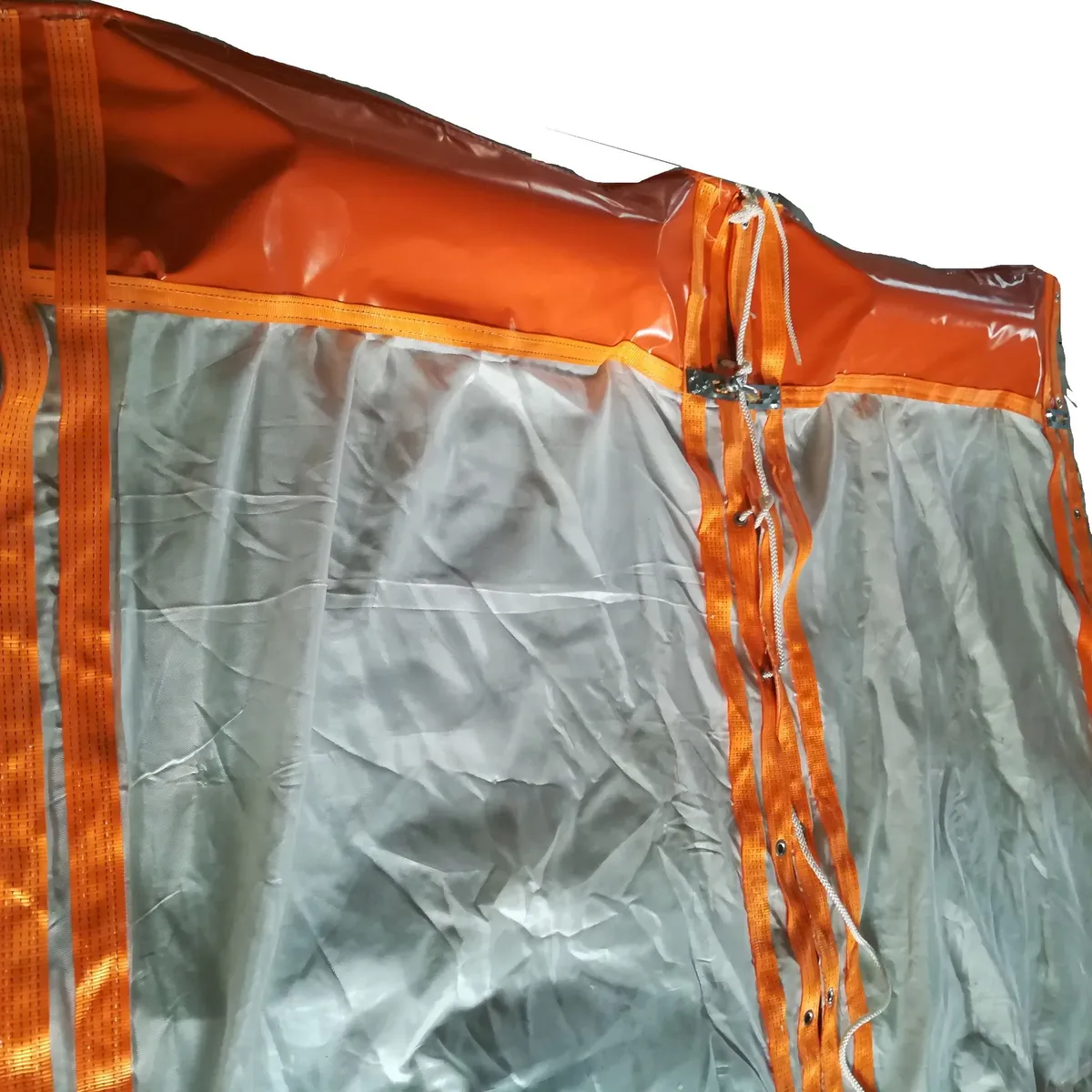
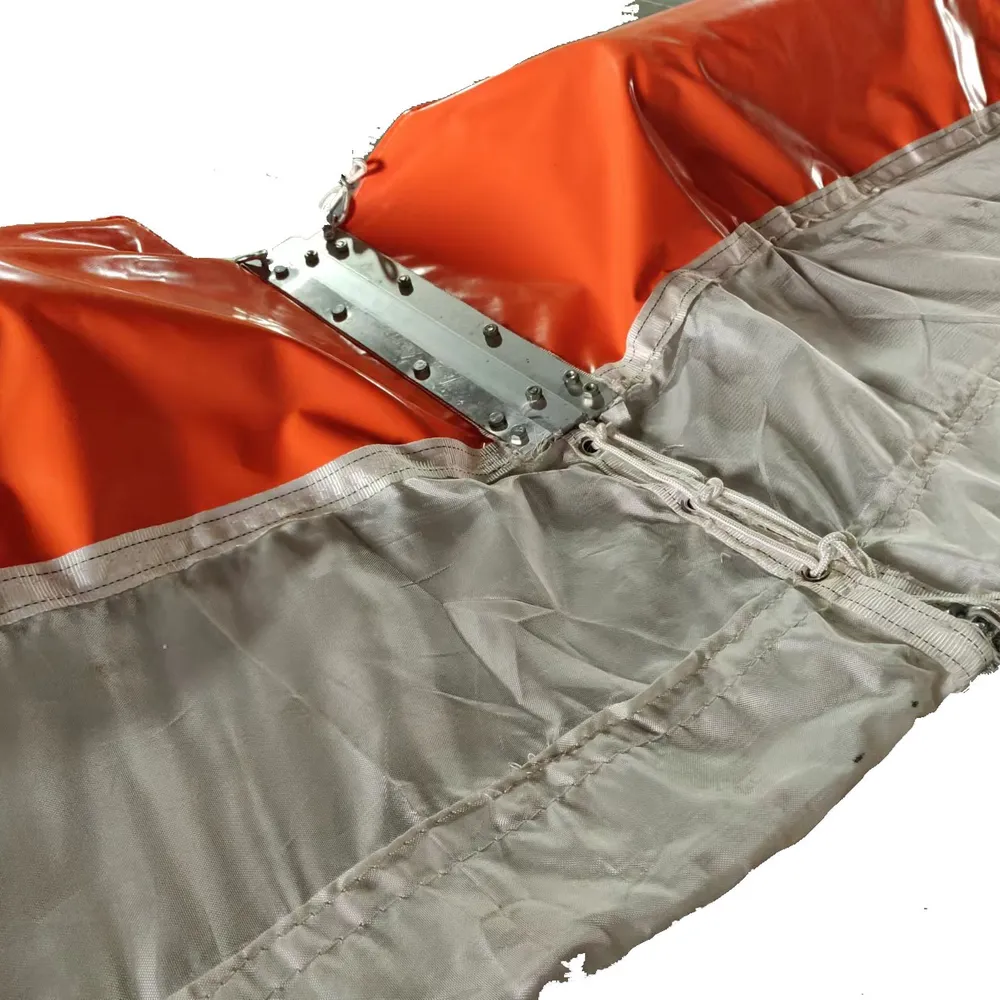
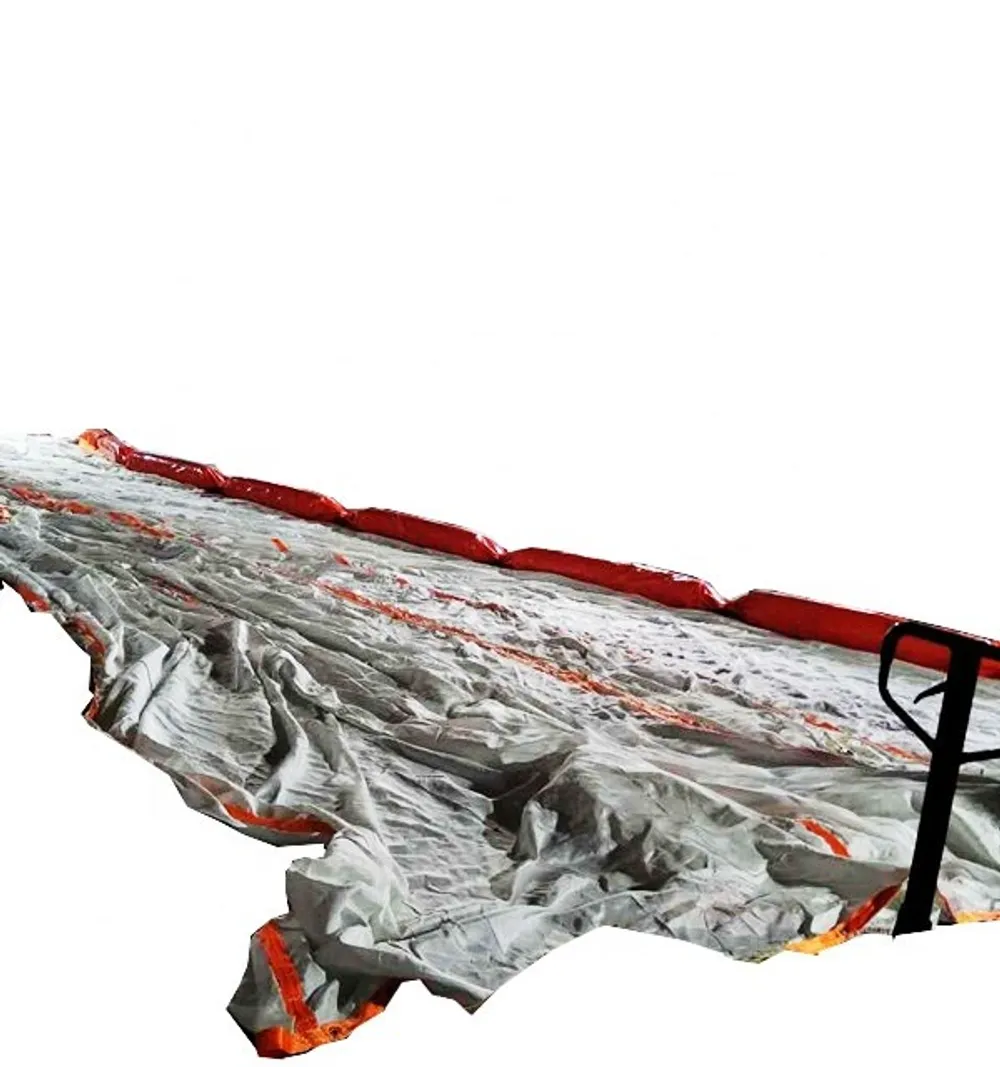
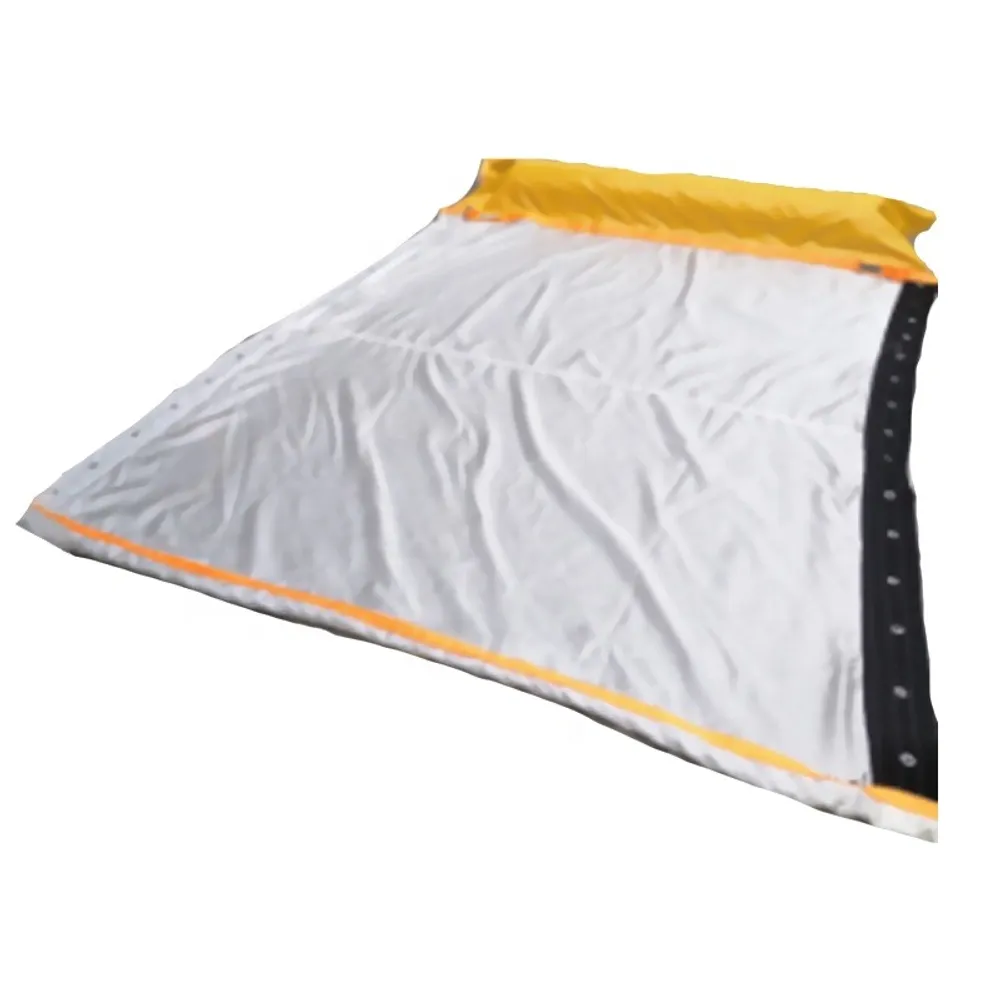
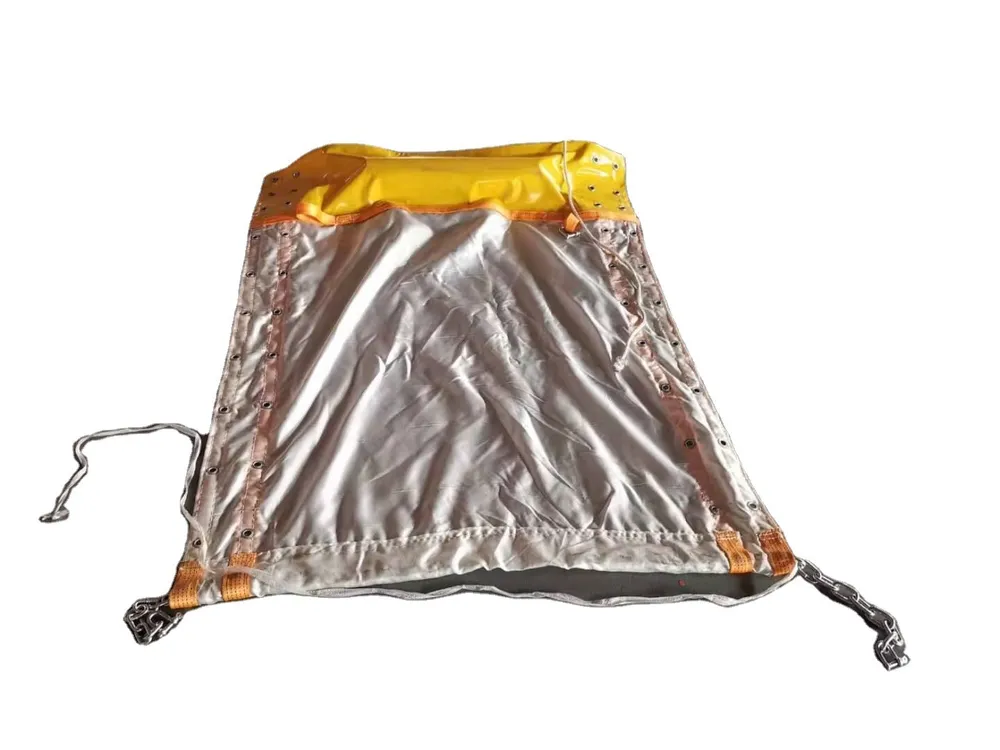
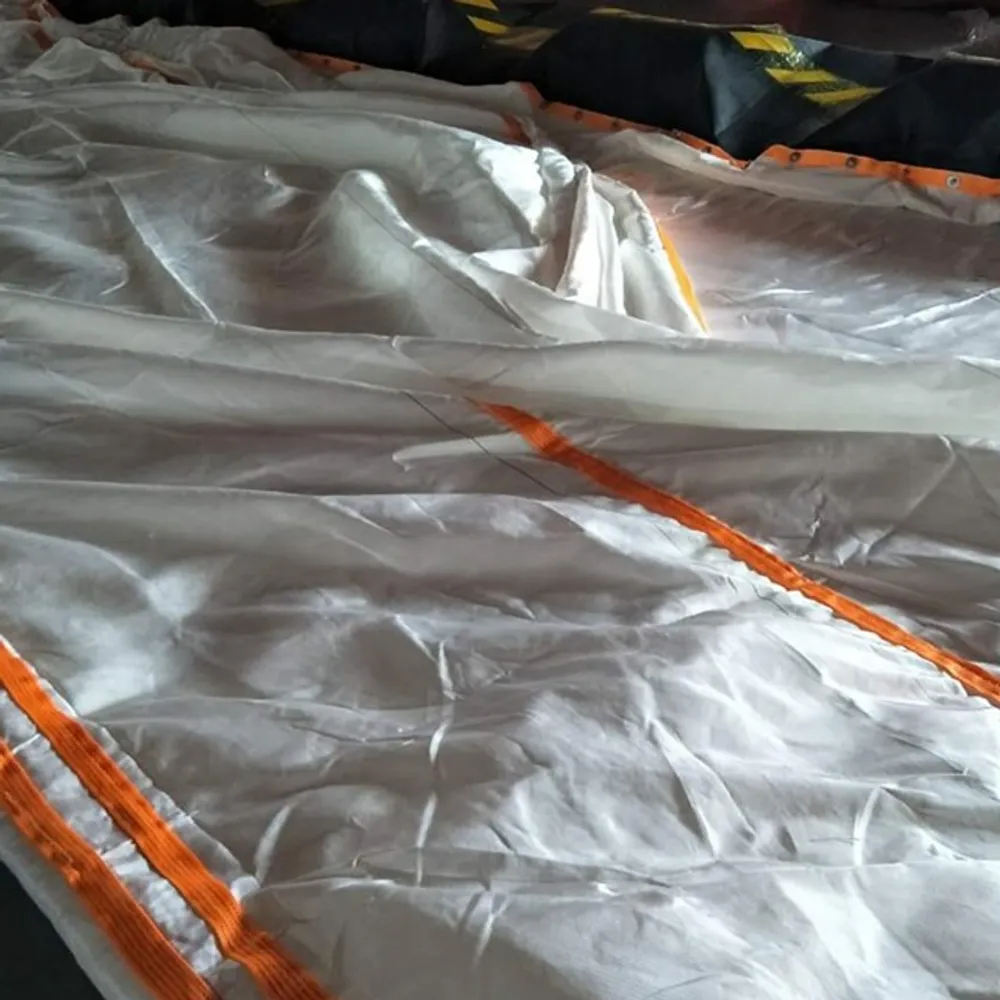
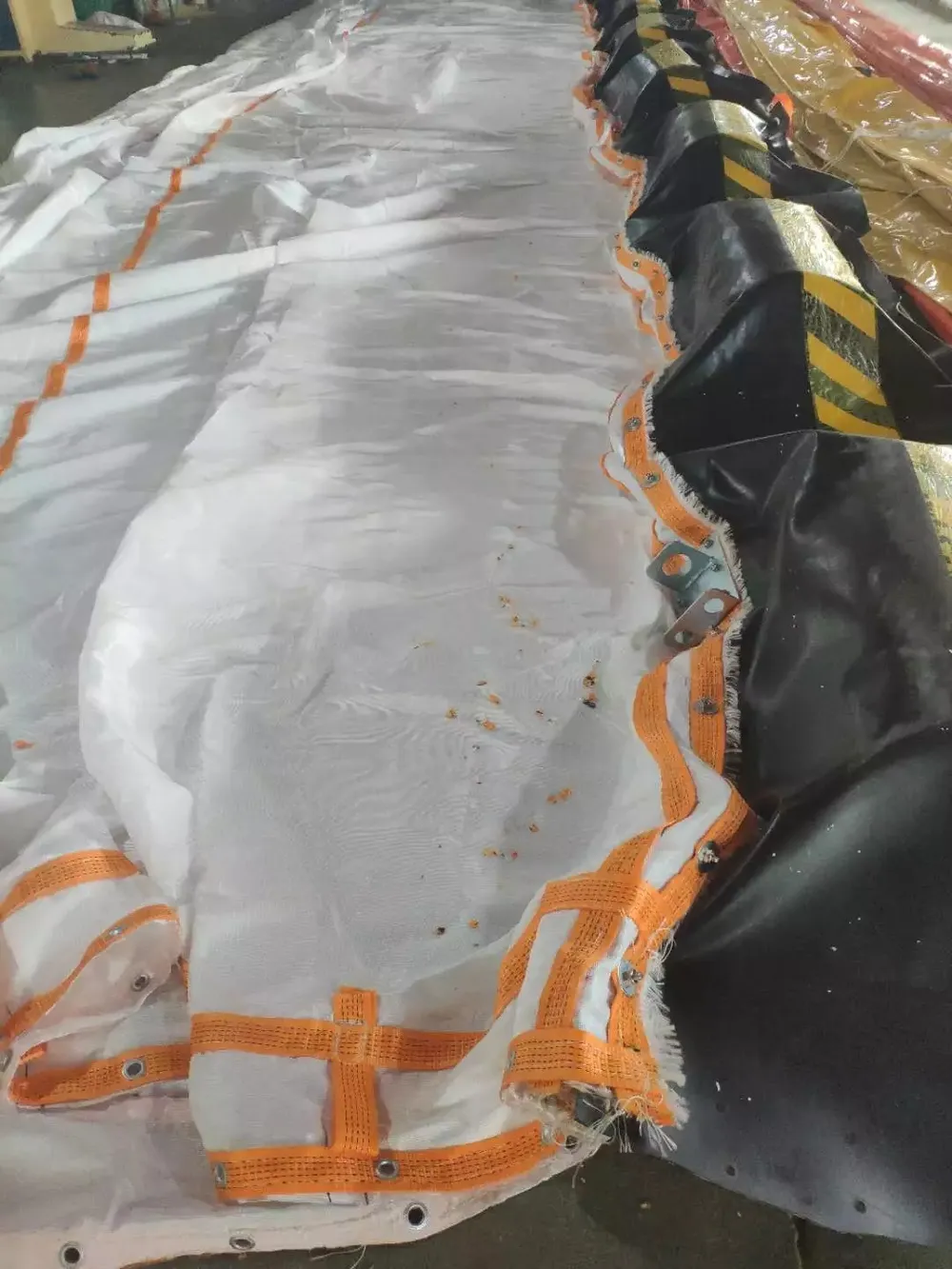
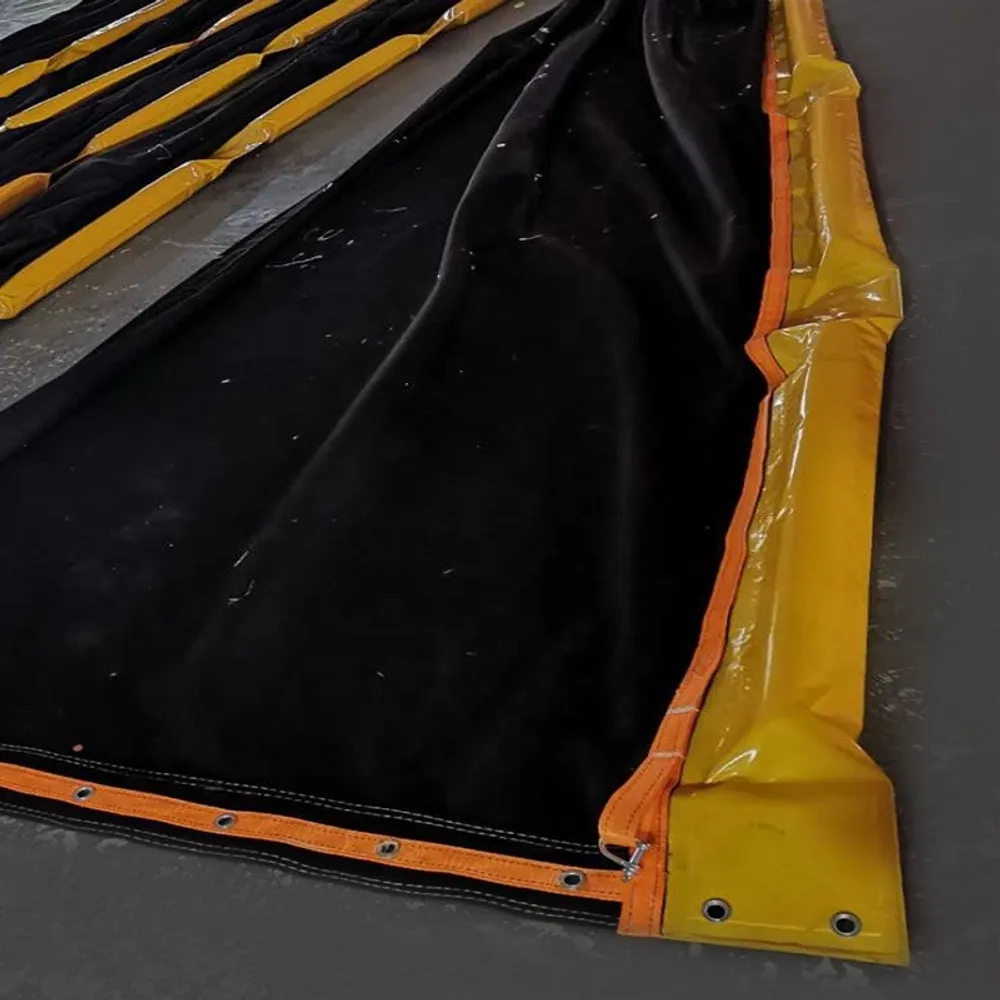
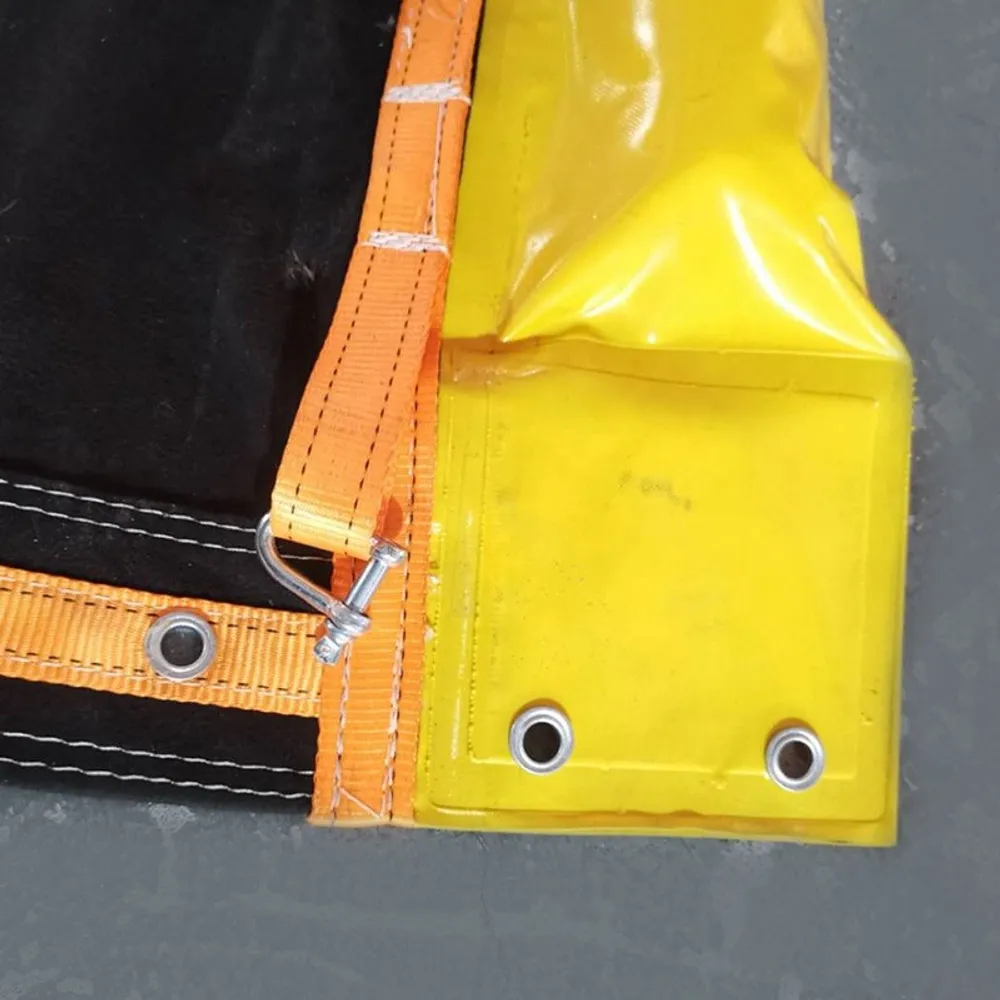
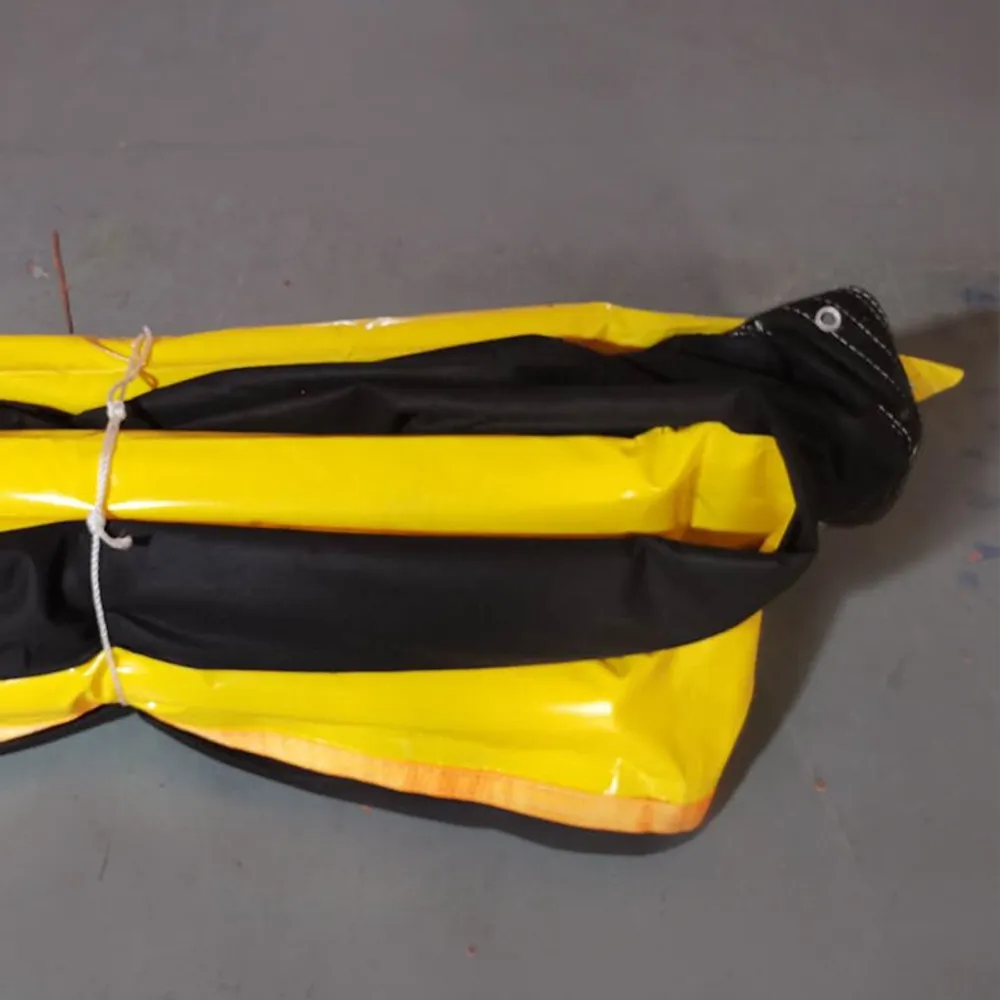
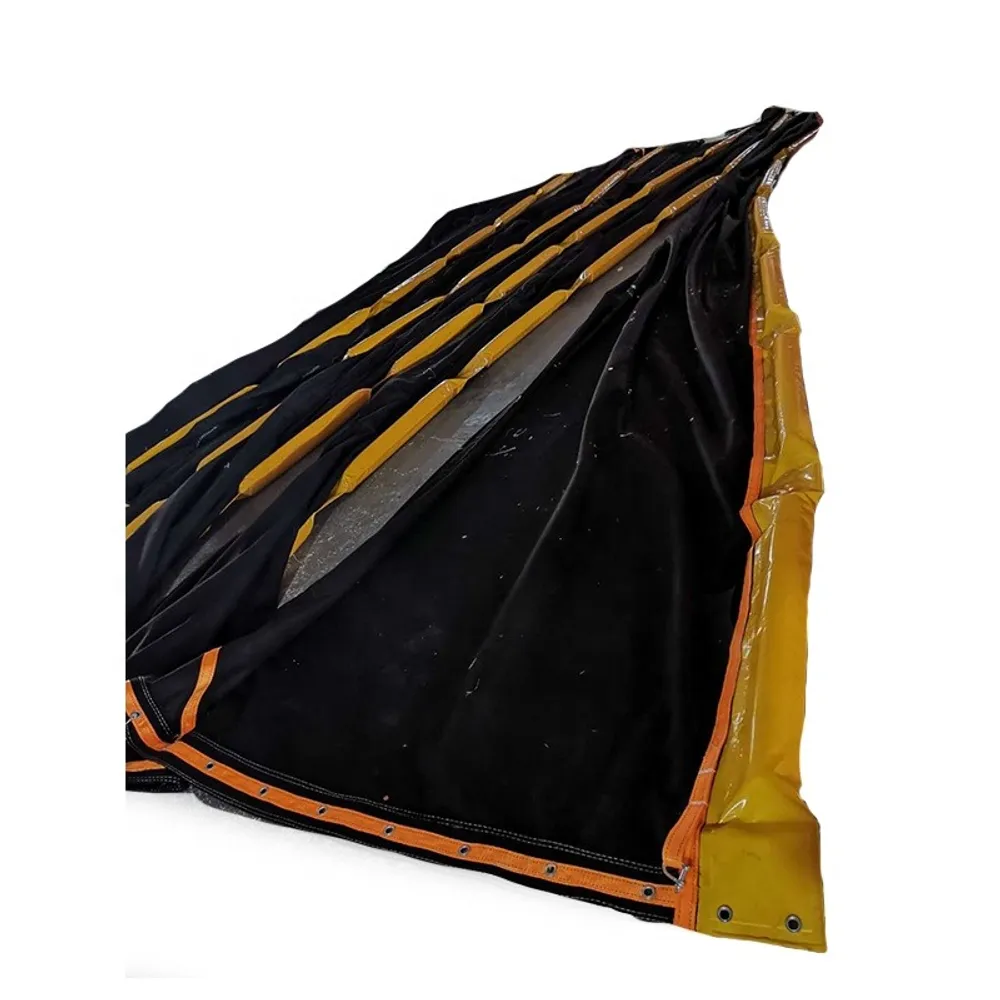
Each turbidity barrier is made from PVC-coated woven polyester for UV, abrasion and water resistance. A line of closed-cell foam flotation sealed into the top hem keeps the barrier upright, while a galvanized top load cable carries tension between panels and a galvanized bottom ballast chain holds the skirt vertical against current. The result is a stable floating turbidity barrier, not a loose silt screen that folds over in a breeze. Stress plates at the lower corners and ASTM aluminum couplers between panels keep the silt boom rigging intact in working water.
Type 1, Type 2 and Type 3 silt curtains
There are three groups of silt curtains — Type 1, Type 2 and Type 3 — with Type 1 the lightest and Type 3 the most heavy-duty silt curtain. A Type 1 turbidity curtain suits calm ponds and marshes; a Type 2 turbidity curtain handles moving water in lakes, streams and tidal areas; a Type 3 turbidity curtain is built for open water with wind, waves and current. Qualified professionals weigh water flow speed, waves, wind and project type and duration to decide which silt curtain a project needs.
Deployment and anchoring
The floating silt barrier is towed out in panels, joined end to end and anchored across the work zone so it spans the channel or encircles the dredge. The skirt (draft) is sized so it reaches near the bed in shallow water or hangs to a set depth in deep water, intercepting the turbidity plume through the active part of the water column. In tidal or moving water the curtain is anchored at intervals and given slack to ride the current and tide rather than fight it, which is why correct silt curtain installation matters as much as the fabric grade.
Applications and projects
Turbidity curtains protect sensitive water bodies during dredging and reclamation, marine and shoreline construction, bridge and outfall work, and pond or lagoon cleanouts. The lighter types suit ponds, lakes and slow rivers; the Type 3 silt curtain handles open, tidal and intercoastal water with current and waves. Used together with a land-based silt fence, a turbidity curtain closes the loop on a project sediment-control plan.
Sizes and supply
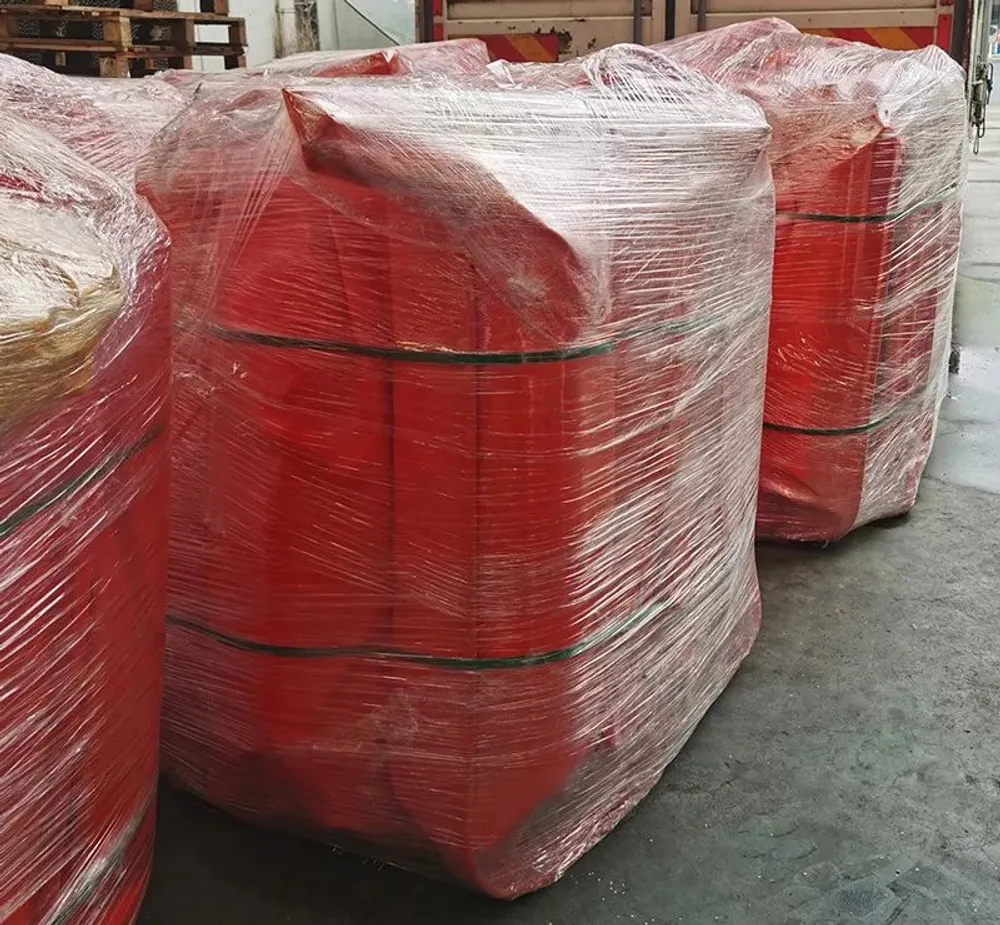
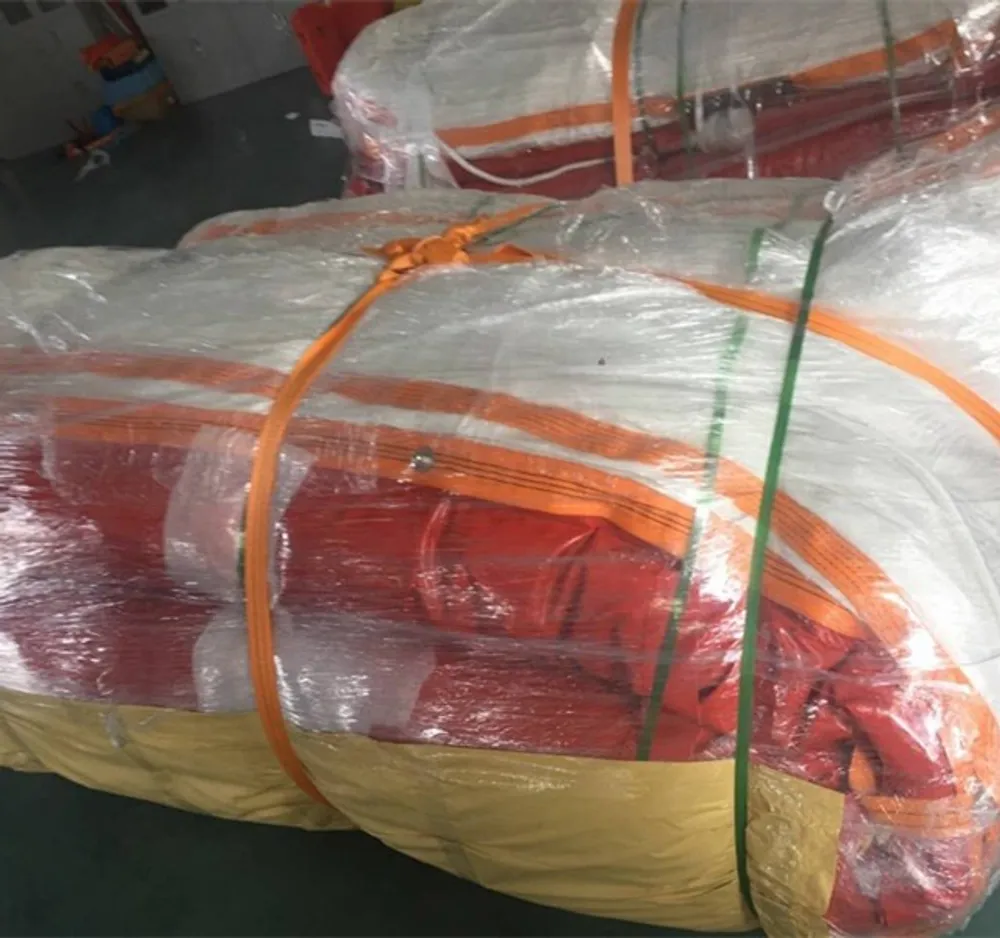
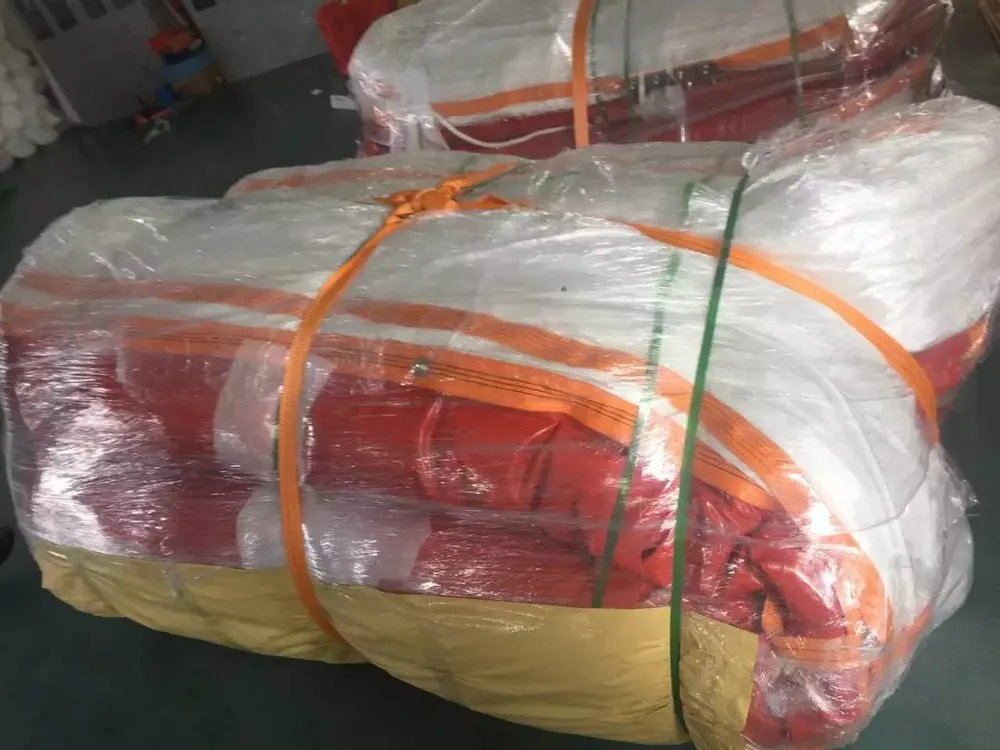
Each curtain is supplied in 50 ft and 100 ft panels joined with ASTM aluminum couplers, in high-visibility yellow / orange as standard. As a manufacturer we supply turbidity barrier for sale across all three types — tell us the water conditions, required skirt depth and total length and we will quote turbidity curtain price ex-works. We can also supply replacement flotation, ballast chain and couplers to extend an existing silt curtain line.

 Erosion Control