
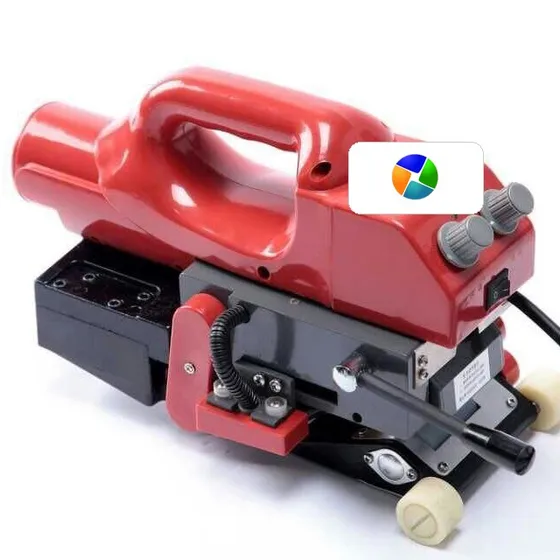
 Installation Equipment
 Geomembrane Welding Machine
Geomembrane welding machine (hot wedge welder) for HDPE liner installation — a high-power, fast, reliable welder for watertight liner seams.
- Hot wedge welder
- High power · fast
- For HDPE liner seams
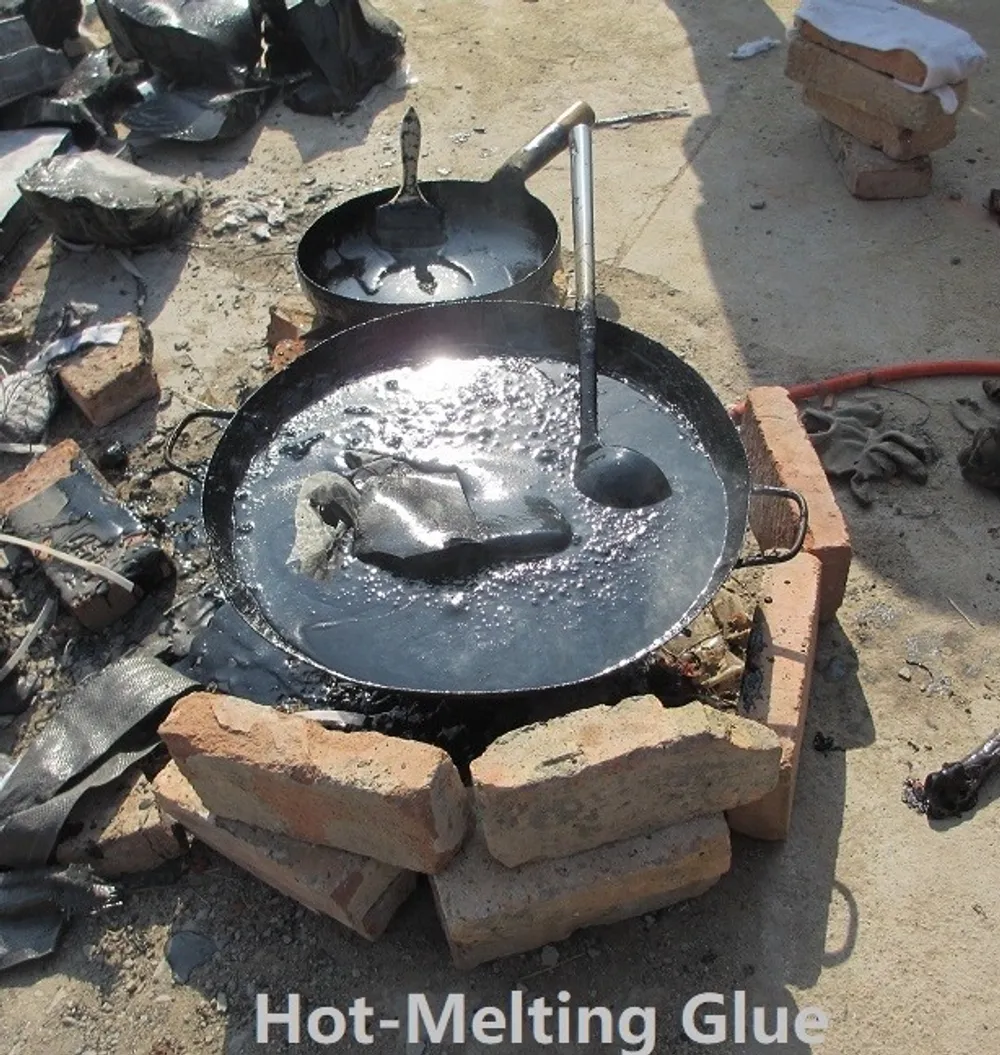
SIGMA geomembrane glue is a hot-melt adhesive used mainly to join geotextile, geomembrane and other geosynthetic materials. Convenient to apply by brush, it delivers high bonding strength, good sealing, water resistance and ageing resistance. Joints made with the geomembrane adhesive offer good anti-seepage and deformation capacity and high tensile strength, so the glue is widely used in reservoir areas, dam bodies, cofferdams, channels, artificial lakes and reservoirs. Supplied as an installation consumable alongside our liners.
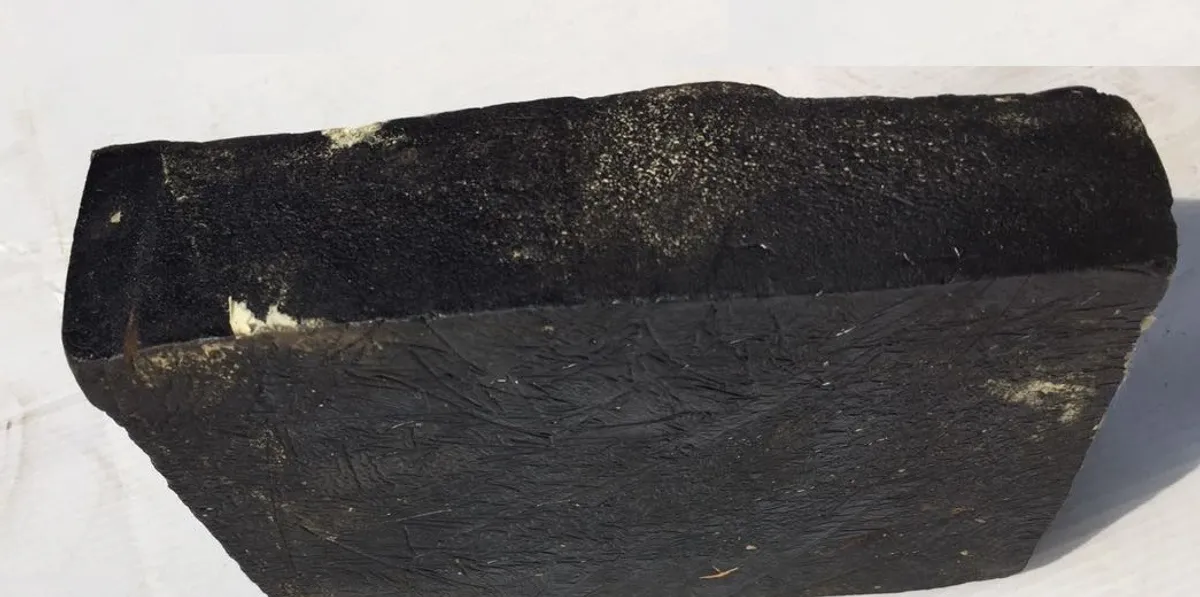
SIGMA geomembrane glue is a hot-melt adhesive used mainly for geotextile, geomembrane and other geosynthetic materials. Its brush construction is convenient, with high bonding strength, good sealing, water resistance and ageing resistance. Joints made with this geomembrane adhesive have good anti-seepage and deformation capacity and high tensile strength, so the glue is widely used in the reservoir area, dam body, cofferdam, channel, artificial lake and reservoir.
As an HDPE liner glue, the adhesive complements thermal seaming on lining projects — it bonds and seals seams, details and repairs where brushing is faster or welding is impractical. It works across the geosynthetics we supply, from HDPE geomembrane to pond liner and geotextile, keeping joints watertight and resistant to seepage and deformation.
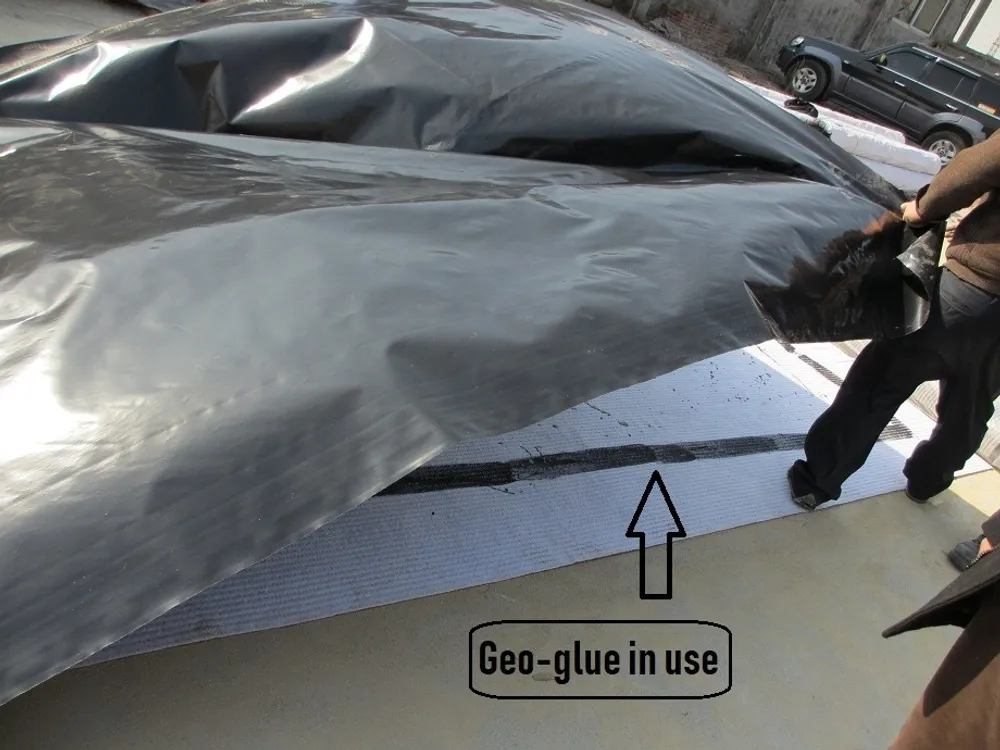
The geomembrane glue is brush-applied, which keeps construction simple in the field. The bonding surfaces are first cleaned of dust, grease and moisture; the adhesive is then brushed onto the prepared surfaces, the two faces are brought together along the joint, and the seam is left to bond and cure before it is loaded or backfilled. Working clean and allowing full cure is what delivers the high bonding strength, good sealing and water resistance the geomembrane adhesive is valued for, so the finished joint resists seepage and deformation.
Joints made with this adhesive carry good anti-seepage and deformation capacity and high tensile strength, so the glue is widely used in the reservoir area, dam body, cofferdam, channel, artificial lake and reservoir. On those works the HDPE liner glue handles seam bonding, detail sealing around penetrations and corners, and field repairs to existing liners — the points where a brush reaches faster than a machine. It serves the same HDPE geomembrane, pond liner and geotextile that go into those projects.
Glue and welding are complementary, not competing. A geomembrane welding machine is the primary tool for long production seams because a fused weld is fast and air-testable, while the geomembrane adhesive covers details, patches, repairs and any situation where brushing is faster or welding is impractical. Match the glue to the liner material and the joint condition — surface, temperature, wet or dry — and most installations end up using both methods on the same job. Browse the full installation equipment range to pair the consumable with the welder.
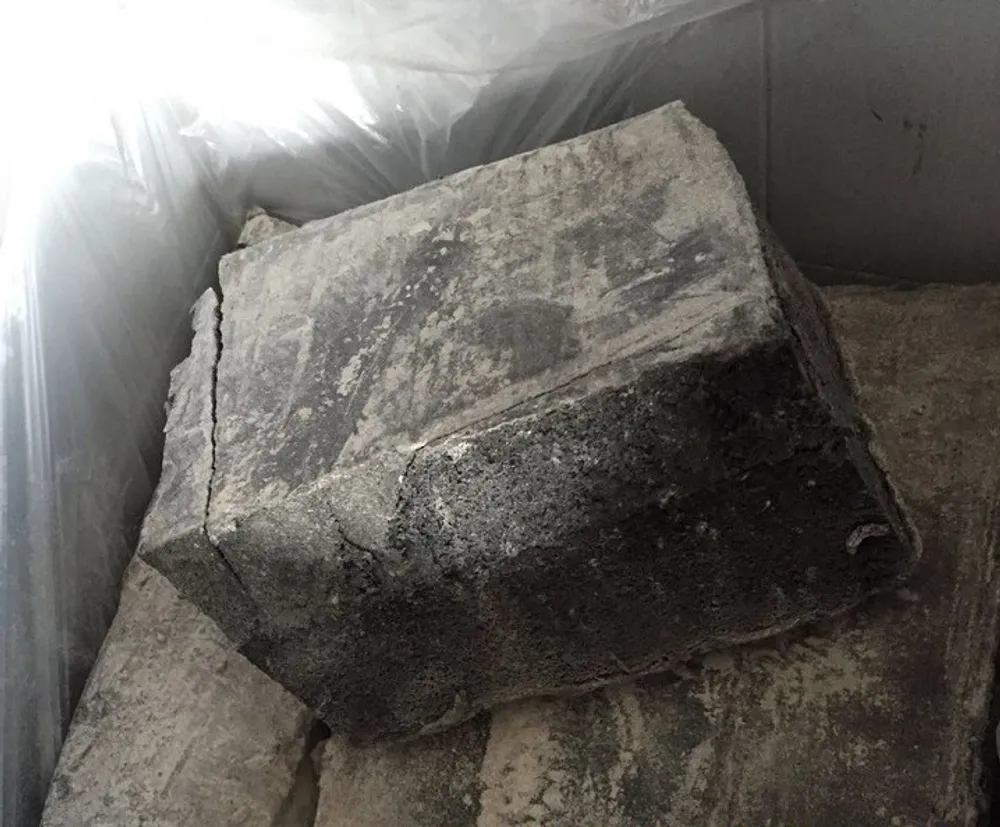
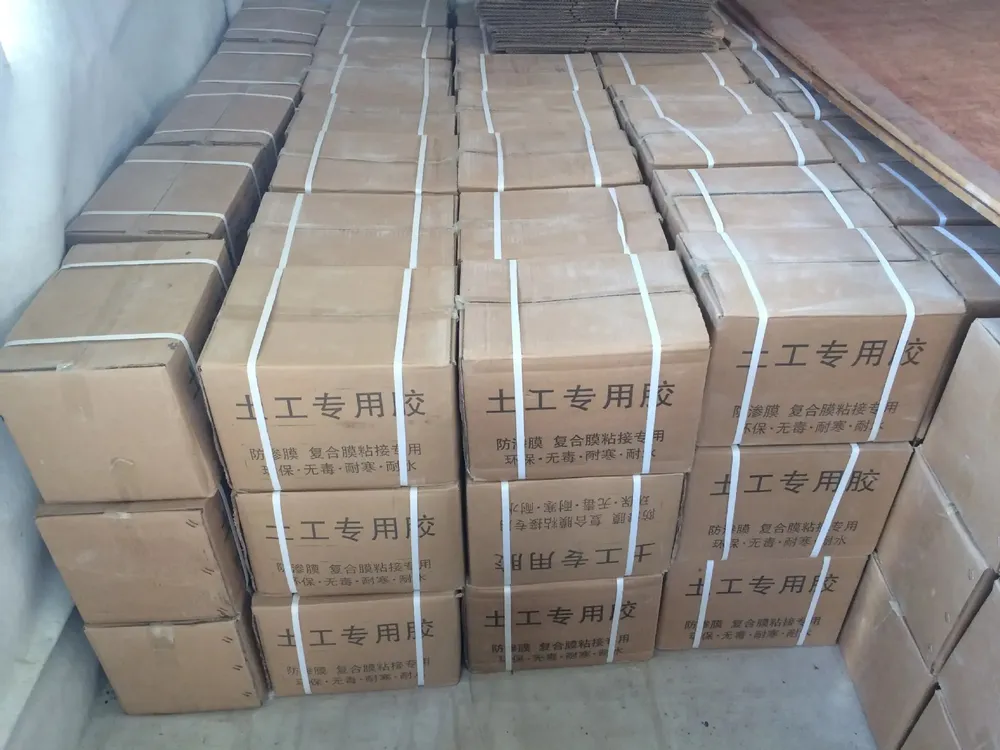
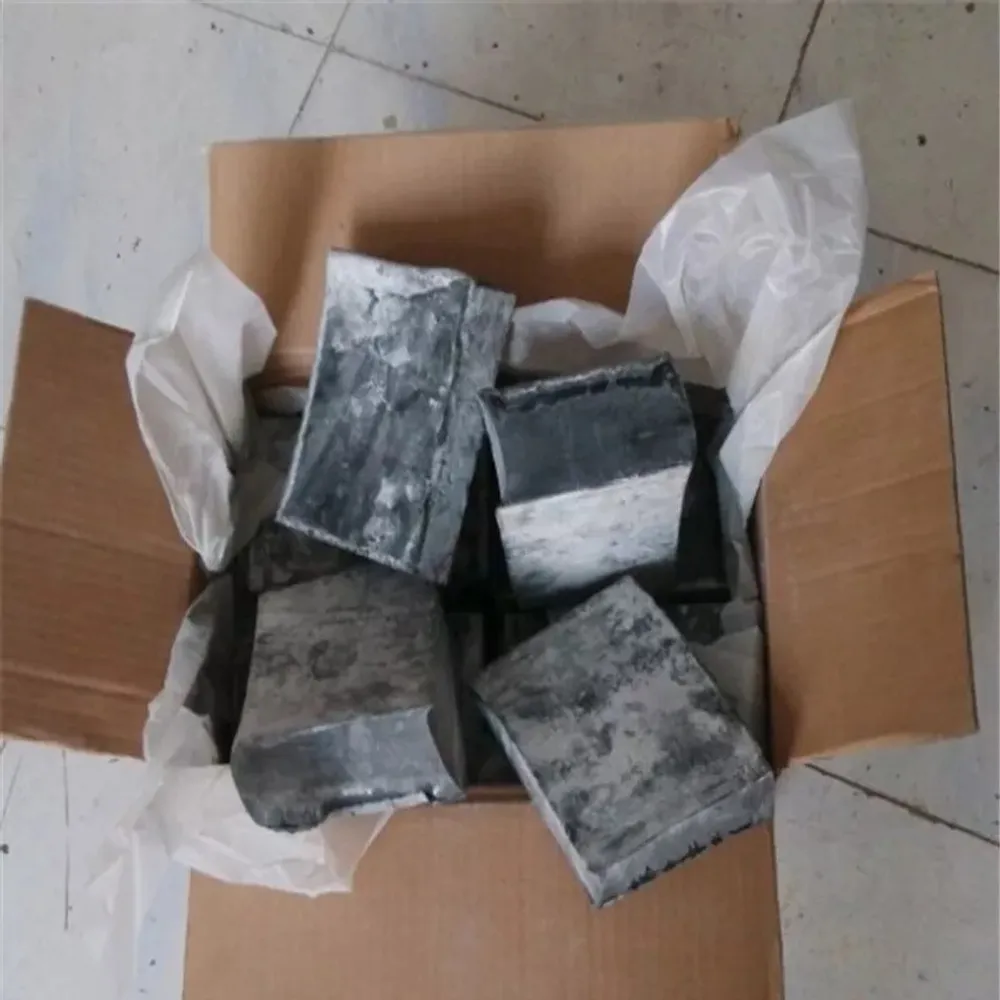
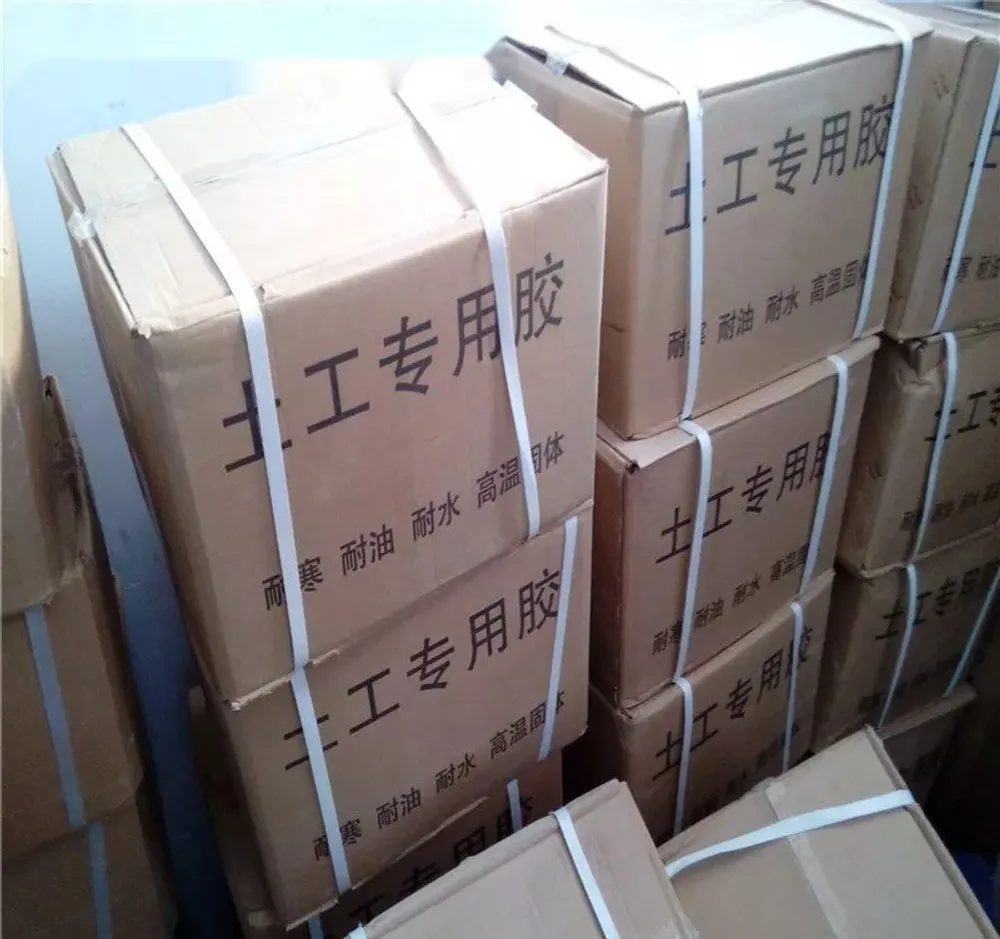
Geomembrane Glue — product parameters. No public statutory standard governs the adhesive; values are manufacturer-specific and to be supplied by SIGMA.
| Property | Unit | Value |
|---|---|---|
| Type | — | On request |
| Coverage | m²/L (or per unit) | On request |
| Cure time | hours | On request |
| Pack size | — | On request |
Geomembrane glue is a hot-melt adhesive used mainly to join and seal geotextile, geomembrane and other geosynthetic materials. It is widely used for joints and repairs in reservoir areas, dam bodies, cofferdams, channels and artificial lakes, giving good anti-seepage and deformation capacity across the bonded seam.
The adhesive is formulated to bond geomembrane, geotextile and other geosynthetic materials, including HDPE liner. Tell us the liner type and the joint condition and we will confirm whether the geomembrane glue suits your seam, detail or repair.
It is brush-applied: the glue is brushed onto clean, prepared surfaces, then the joint is bonded and allowed to cure before loading. The brush construction is convenient on site and produces a sealed, water-resistant joint with high tensile strength.
Glue and welding are complementary. Hot-wedge or extrusion welding is the primary method for long production seams, while geomembrane adhesive is useful for details, patches, repairs and situations where brushing is faster or welding is impractical. Many installations use both.
After brushing, the joint is bonded and then left to cure before it is loaded or backfilled. The exact cure time depends on the adhesive grade and on site conditions such as temperature, so we confirm it on the SIGMA datasheet with the order rather than quoting a single figure here.
Coverage depends on the joint width, the surface texture and how heavily the geomembrane adhesive is brushed on, so it is given per project rather than as a fixed rate. Tell us the total seam length and joint type and we will estimate the quantity of HDPE liner glue you need and confirm pack sizes.
Geomembrane glue is supplied as an installation consumable, so price and minimum order depend on the pack size and the quantity for your job. Send us the seam length or the volume you expect to use and we will quote the adhesive — typically alongside the liner and welder for the same project.
Yes. The glue ships as a consumable and is usually consolidated with the geomembrane, pond liner or welding machine for the same project, which keeps freight and lead time aligned. Confirm your destination and we will advise packing and any transport requirements for the adhesive.
Tell us quantity, destination port, and any questions — we reply within one business day.
Installation Equipment Geomembrane welding machine (hot wedge welder) for HDPE liner installation — a high-power, fast, reliable welder for watertight liner seams.
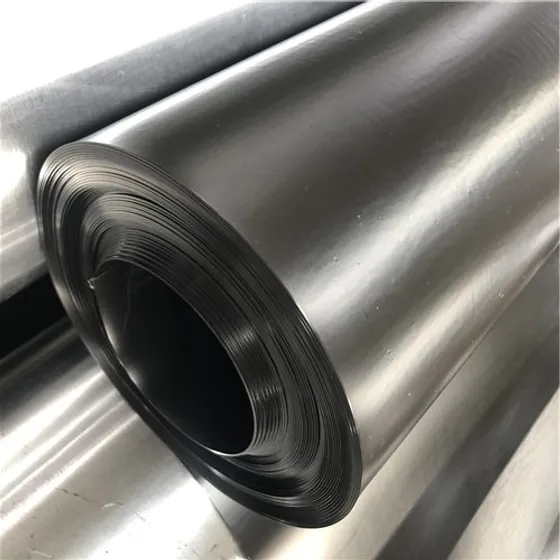 Geomembrane
 Smooth HDPE geomembrane liner to GRI-GM13 — an impermeable high density polyethylene pond liner for landfill, water and containment, 0.75–3.0 mm.
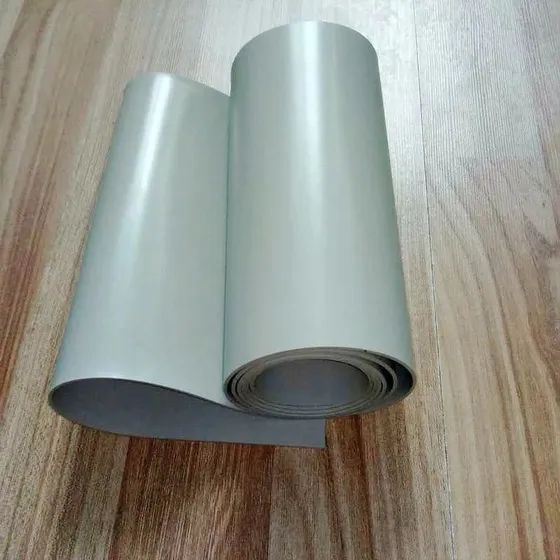 Geomembrane
 Flexible PVC geomembrane and PVC pond liner to ASTM D7176 / PGI-1104 — a non-reinforced polyvinyl chloride liner, 10–60 mil, for ponds and containment.